
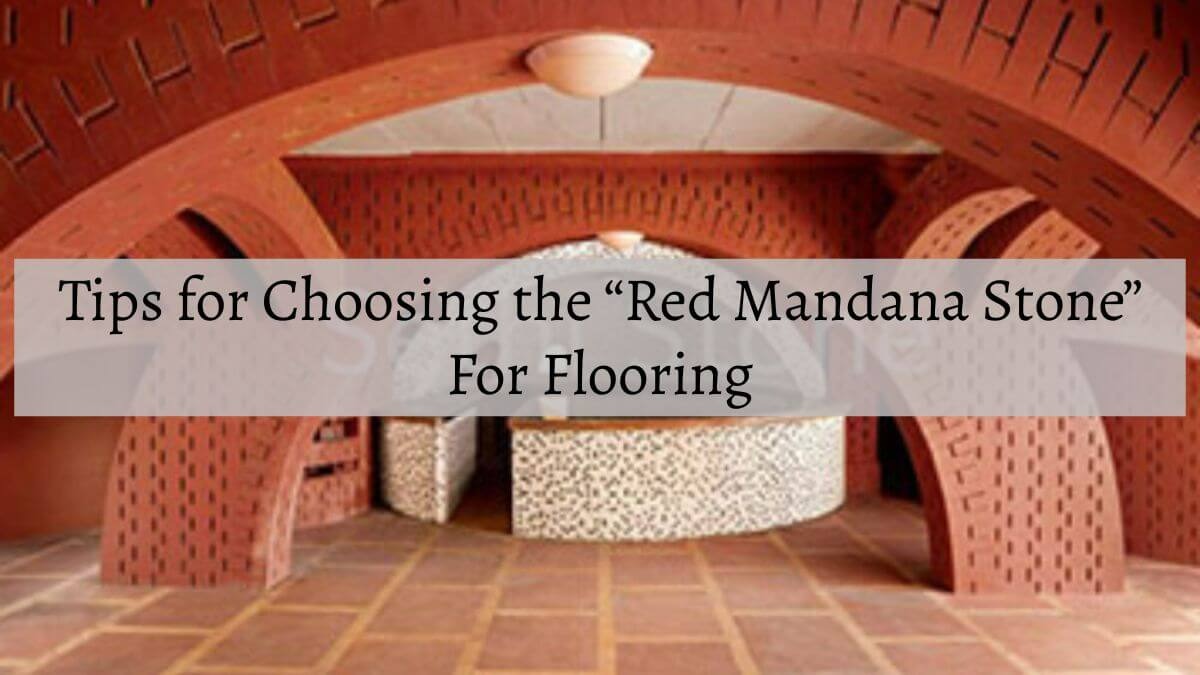
Tips for Choosing the Best Red Mandana Stone for Flooring
Red Mandana Stone is a naturally occurring reddish-brown sandstone found in the Kota region of Rajasthan. Known for its distinctive earthy tones and uniform texture, this stone brings a rich, elegant character to any space. Its traditional yet timeless appeal makes it a preferred flooring choice for hotels, heritage properties, villas, commercial buildings, and modern interiors.
At Asian Kota Stone Industries, we supply premium-grade Red Mandana Stone that not only enhances the visual appeal of your space but also offers exceptional strength, weather resistance, and long-lasting durability. This stone is highly resistant to chemicals, moisture, heat, and stains, making it ideal for high-traffic and functional areas. Its natural anti-slip surface further adds to its practicality and safety.
These unique qualities, combined with affordability and easy availability, make Red Mandana Stone a popular option for both residential and commercial flooring. If you’re planning to choose Red Mandana Stone for your project, here are some important tips to consider:
Things to Look for When Selecting Red Mandana Stone
1. Check for Color Consistency
High-quality Red Mandana Stone should have a consistent reddish-brown hue throughout. Uniform color reflects superior quarrying and grading, ensuring a more elegant final look.
2. Ensure Surface Uniformity
Examine the surface for any pits, dents, or rough patches. Premium Red Mandana Stone should have a smooth, even texture with no visible irregularities.
3. Inspect for Cracks or Fissures
Closely check the stone for cracks, fractures, or structural lines. These flaws can weaken the stone and reduce its lifespan.
4. Confirm Uniform Thickness
Thickness plays a major role in durability and load-bearing capacity. At Asian Kota Stone Industries, we customize thickness based on your project requirements—whether for homes, pathways, industrial spaces, or commercial areas.
5. Test the Hardness
Red Mandana Stone is known for its hardness and resistance to abrasion. A simple scratch test using a sharp object can help verify its toughness. Harder stones resist damage over time.
6. Check the Porosity Level
Low-porosity stones offer better moisture and stain resistance. When you drop water on a high-quality Red Mandana tile, it should roll off quickly rather than getting absorbed.
Final Tip
Always request a physical sample before finalizing your order. Viewing the stone in person allows you to assess its color, texture, polish, and overall quality to ensure it meets your expectations.